Advertiser Disclosure: At Slickdeals, we work hard to find the best deals. Some products in our articles are from partners who may provide us with compensation, but this doesn’t change our opinions. Our editors strive to ensure that the information in this article is accurate as of the date published, but please keep in mind that offers can change. We encourage you to verify all terms and conditions of any product before you apply.
Reading Time: 3 minutesOver the past few weeks, winter weather has been relentless across many parts of the U.S. Some regions have been buried under heavy snowfall, while others are dealing with a more frustrating mix of freezing rain, compacted snow, and slick ice. If you’ve been browsing TikTok or other social media platforms recently, you can find a lot of videos documenting people’s snow removal challenges and what type of shovels they’re using.
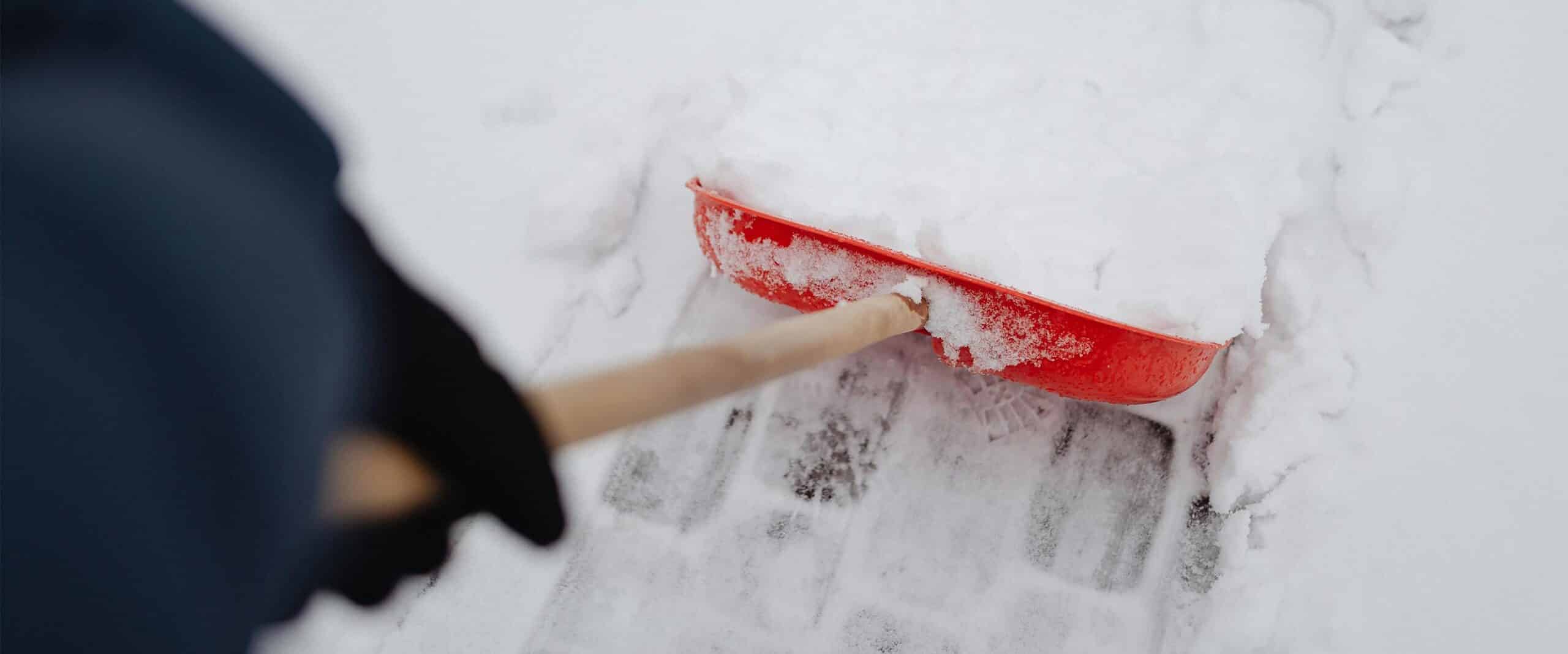
If heavy snow or icy driveways are dominating your forecast, choosing the right shovel can save time and effort this winter. We’ll explain the differences between company shovels and personal shovels and help you find the best place to buy one.
The Real Difference: Weather, Not User
At a high level, the difference between a personal shovel and a company (commercial-grade) shovel comes down to how they perform in different winter conditions. Personal shovels are best for lighter workloads, like shoveling loose snow or other debris. If you’re facing an icy driveway, you need a company shovel that’s more heavy duty.

Material Difference
Materials are one of the most important factors in how a shovel performs during winter. Personal shovels typically use plastic blades made from polypropylene or polycarbonate, materials that are lightweight and allow snow to slide off easily. Some personal models also use thin aluminum blades that provide a little more strength without adding much weight. Handles are commonly made from wood, aluminum, or fiberglass, prioritizing comfort and ease of movement. These materials perform best when dealing with loose, freshly fallen snow that hasn’t had time to compact or freeze to the ground.
Company shovels, on the other hand, rely on heavier and more durable materials. Steel blades are common because they can scrape and break through compacted snow and ice that lighter materials struggle with. Reinforced aluminum blades are also used to balance durability with reduced weight. Many company shovels combine a plastic blade with a metal cutting edge, offering smoother snow movement while still being able to chip away at frozen surfaces. Handles are typically fiberglass or steel-reinforced to withstand leverage and repeated impact when clearing tough winter buildup.
Price Difference
It’s probably not a surprise that company shovels are more expensive than personal shovels. They’re made with better material and should last longer. But how much do you have to spend on the two kinds of shovels?
Personal shovels usually cost between $20 to $45 and you can find them at most online and big box stores like Target, Lowe’s, Amazon, Walmart etc. Home Depot has plenty of options, like this True Temper snow shovel with a 26 inch plastic blade and steel handle and weather strip that’s perfect for light to medium snow and slush. You might be able to get some ice out of the way with this thanks to the weather strip, but you might get mixed results.
Company shovels tend to start in the $50 range and go up from there. For these types of shovels you’ll have to mostly stick to hardware stores like Home Depot, Tractor Supply Co., Ace and similar retailers. This steel snow pusher from Bully Tools, for example, is a great heavy duty option for clearing ice and heavy piles of snow. Just keep in mind that due to the blade being steel, it’s going to be heavy to lift once you add snow to the mix. It’s $60, but it’s US made and will likely last you a long time. It also has a limited life warranty just in case.

Other Considerations
There are plenty of other options out there if you want to dig deeper. For example, you could go with a snow pusher with wheels that will make it easier to build some momentum. Or you can add a secondary handle to your shovel for extra leverage when you’re dealing with snow and ice that’s extra hard to move.
With winter weather intensifying across much of the U.S., the right shovel isn’t about whether you’re a professional or a casual homeowner. It’s about matching the tool to the conditions. Lighter materials handle snowfall better, while stronger, reinforced designs are essential for ice.
If your winters are unpredictable, having both a personal shovel and a company-grade shovel may be the smartest investment you make all season.

Johan Mengesha
Johan Mengesha is the Editorial Director at Slickdeals in Los Angeles, Calif. Mengesha has written for print and online media outlets since 2003 and has a journalism degree from Cal State Northridge. Published work has appeared in the "Los Angeles Daily News," the "Daily Sundial" and eHow.com.